
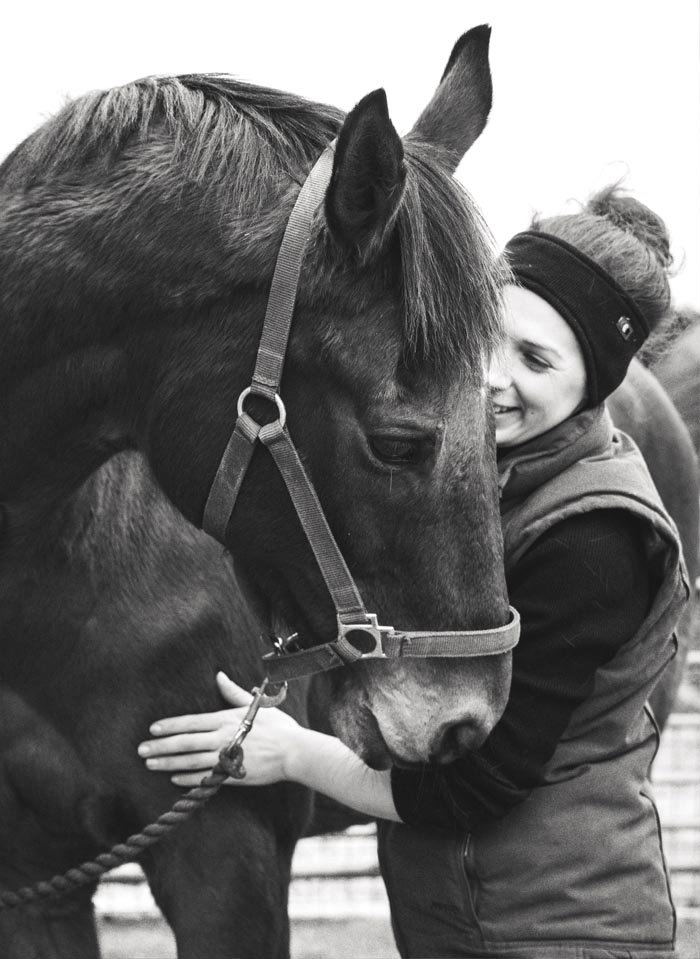
Physiotherapy
All horses can benefit from physiotherapy whether a happy hacker, a performance horse, a horse at rest or on rehabilitation. It is a means of restoring, maintaining and improving function.
When a horse is physically compromised, say a sore joint, muscle or ligament it is threatened by injury and the horse will adjust its way of going, compensating and taking the affected body part out of action. This is why it is important to manage our horses physical condition on a regular basis as a preventative for injury.
Signs of Physical Discomfort
Shortened stride
Toe dragging
Difficulty picking up correct canter lead
Disunited canter
Struggling with lateral movements
Stiffness
Slow to warm up
Preferring one rein to another
Knocking down jumps
Uneven feeling
Hollowing
Avoiding contact
Unhappy being tacked up
Reacting to touch by kicking or biting
Reluctant to grooming certain areas
Reluctant to go long and low behind the vertical
Reluctant to go forward
Physiotherapy involves the use of different techniques to achieve that optimum function of our horses.
Electrophysical Agents
This is the umbrella term for therapeutic machines that are used as part of my skills set. This includes phototherapy, pulsed electromagnetic field therapy, ultrasound and neuromuscular electro stimulation.
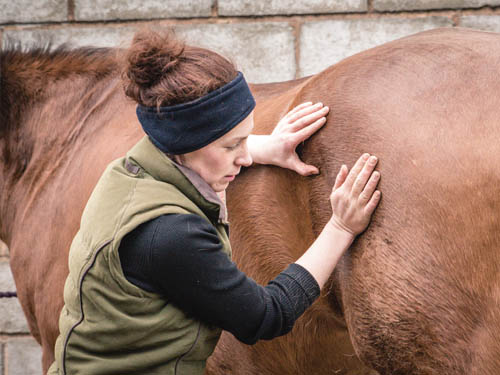
Strength and Suppleness
A core part of any treatment and ongoing maintenance. A means of assessing the horses strength and ability as well as being able to work with owners and trainers, providing comprehensive exercise plans dependant on each case.
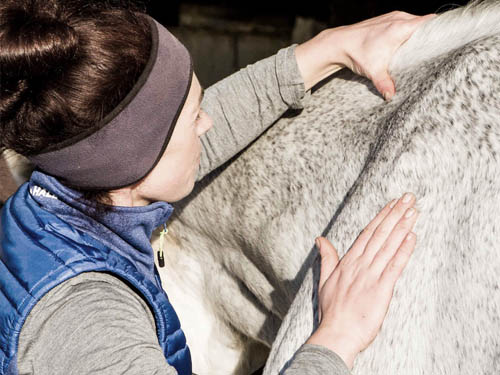
Stretching
A great way of being able to help the horse release tension, improve flexibility, maintain muscle function and keep optimum range of movement through the joints.
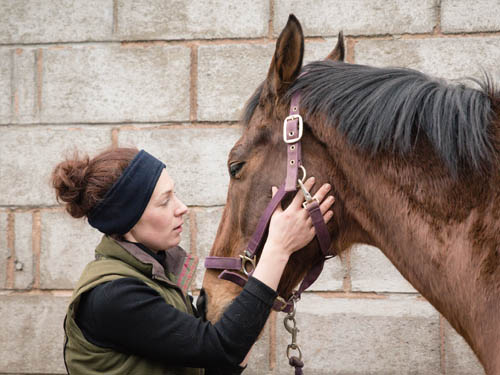
Massage
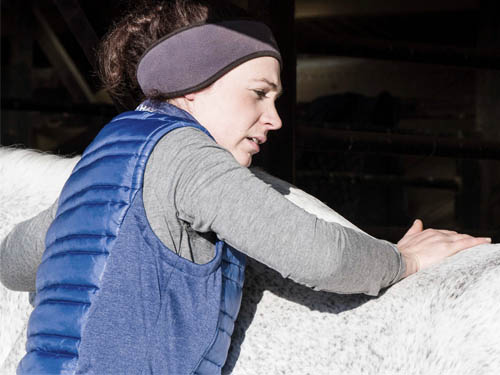
The horses body is made up of approximately 60% muscle, it is an essential part of the horse to enable the body to function efficiently. It is very easy just as it is for humans for horses to suffer from muscular discomfort. This can impede their performance by causing them to compensate for any pain or discomfort they maybe feeling, inhibiting their correct way of moving.
Massage is a manipulation of the soft tissues in the body and I will apply techniques which I have studied in my training to identify and relieve any tightness,spasms,muscle adhesions and irregular muscle tone. Traditional Swedish massage techniques are applied as well as friction massage, myofacial release and trigger point therapy.
Key Physiotherapy Benefits
There are many advantages to physiotherapy from wound healing to helping aid recovery as part of a rehabilitation plan;
Improves range of movement
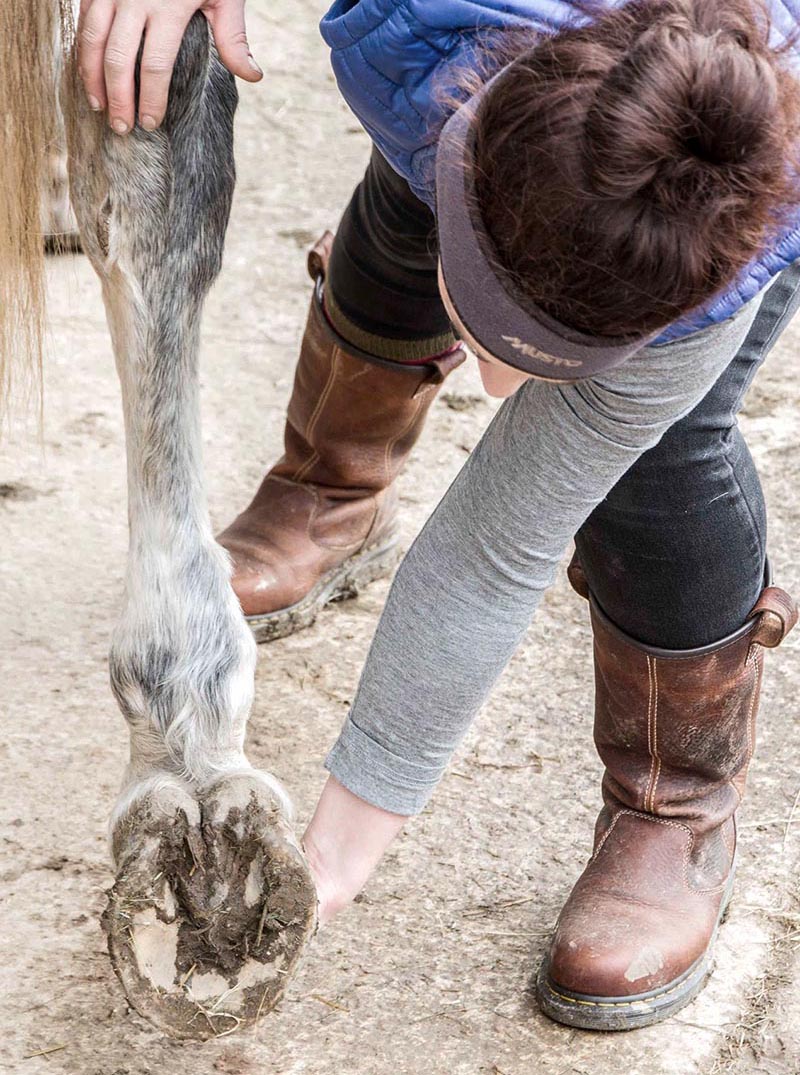
A horse that is more efficient in its stride means there is less wear and tear on joints,ligaments and tendons. Improved gait means a more flexible and agile horse which applies to all disciplines. It can also reduce stiffness in joints, keep them supple, flexible and ease any soreness which may be apparent.
Behaviour
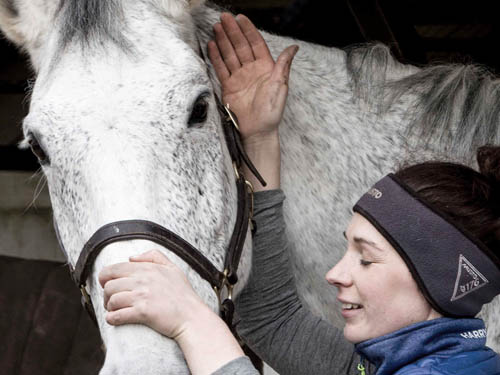
A horse may show a different or unpleasant behaviour if in pain or discomfort, physiotherapy can help to relieve these symptoms making for a happier horse. Treatments are generally very relaxing and enjoyed by most horses.

Improves Stamina
If a horse is working in a more efficient manner it will help improve stamina and performance.
Increasing Circulation
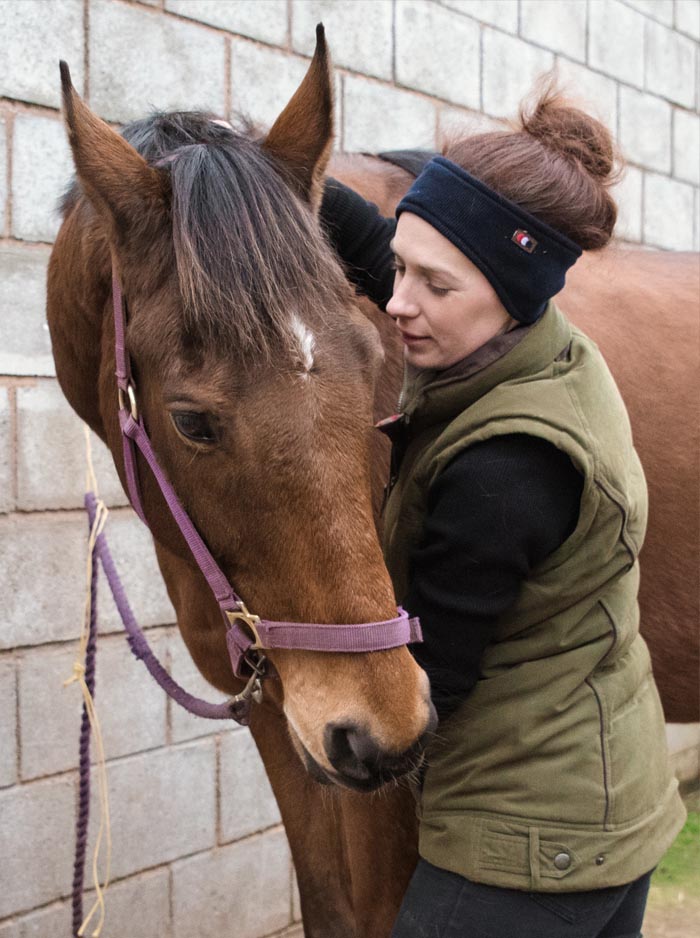
mproved circulation and blood flow can help eliminate toxins from the body more effectively, improve the function of the lymphatic system and help promote healing.
Assisting Rehabilitation
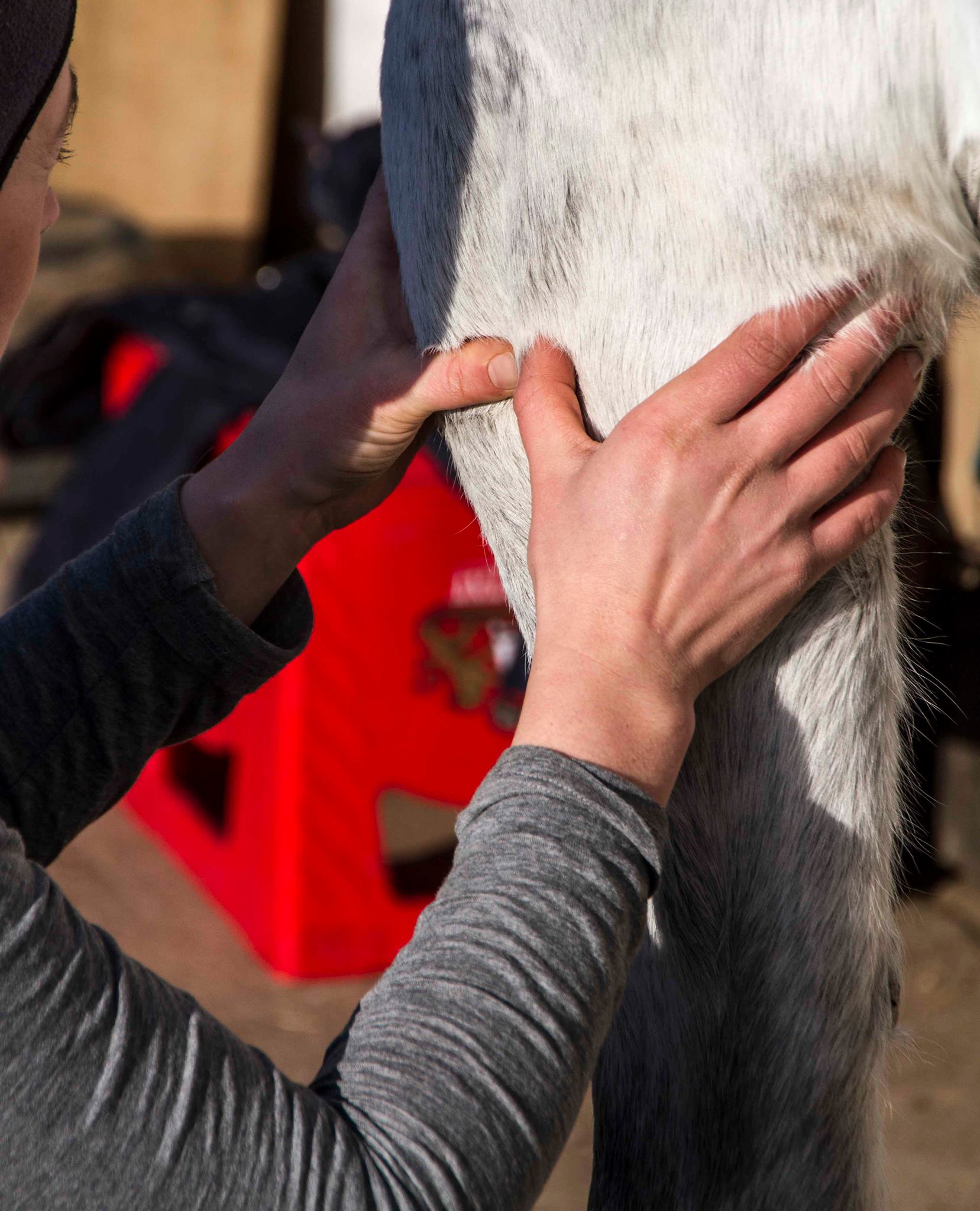
Physiotherapy techniques assist the body in its ability to heal, recover and regain its strength. Each technique used is dependant on each individual case.
Maintenance
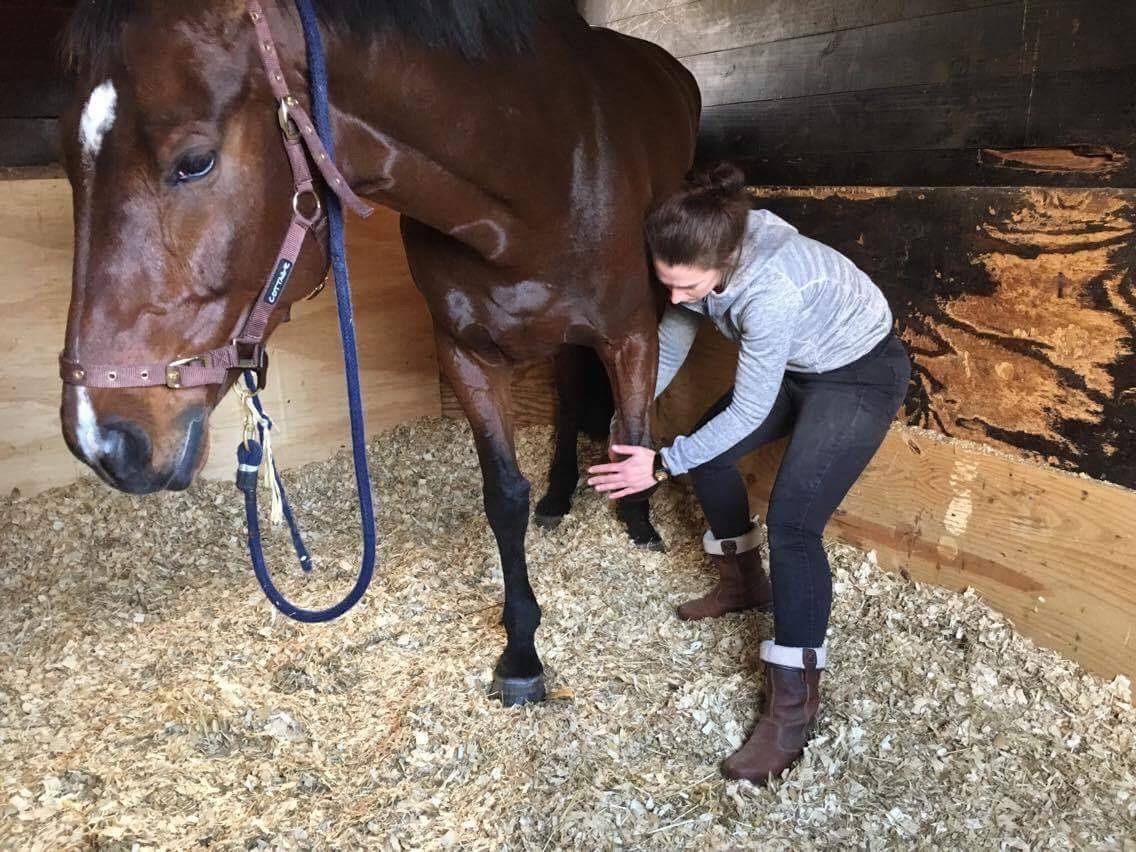
Through soft tissue techniques, stretches and strengthening exercises physiotherapy can be part of the ongoing routine that keeps our horses condition at the best it can be.
 Lindsay Perkins Equine Therapy